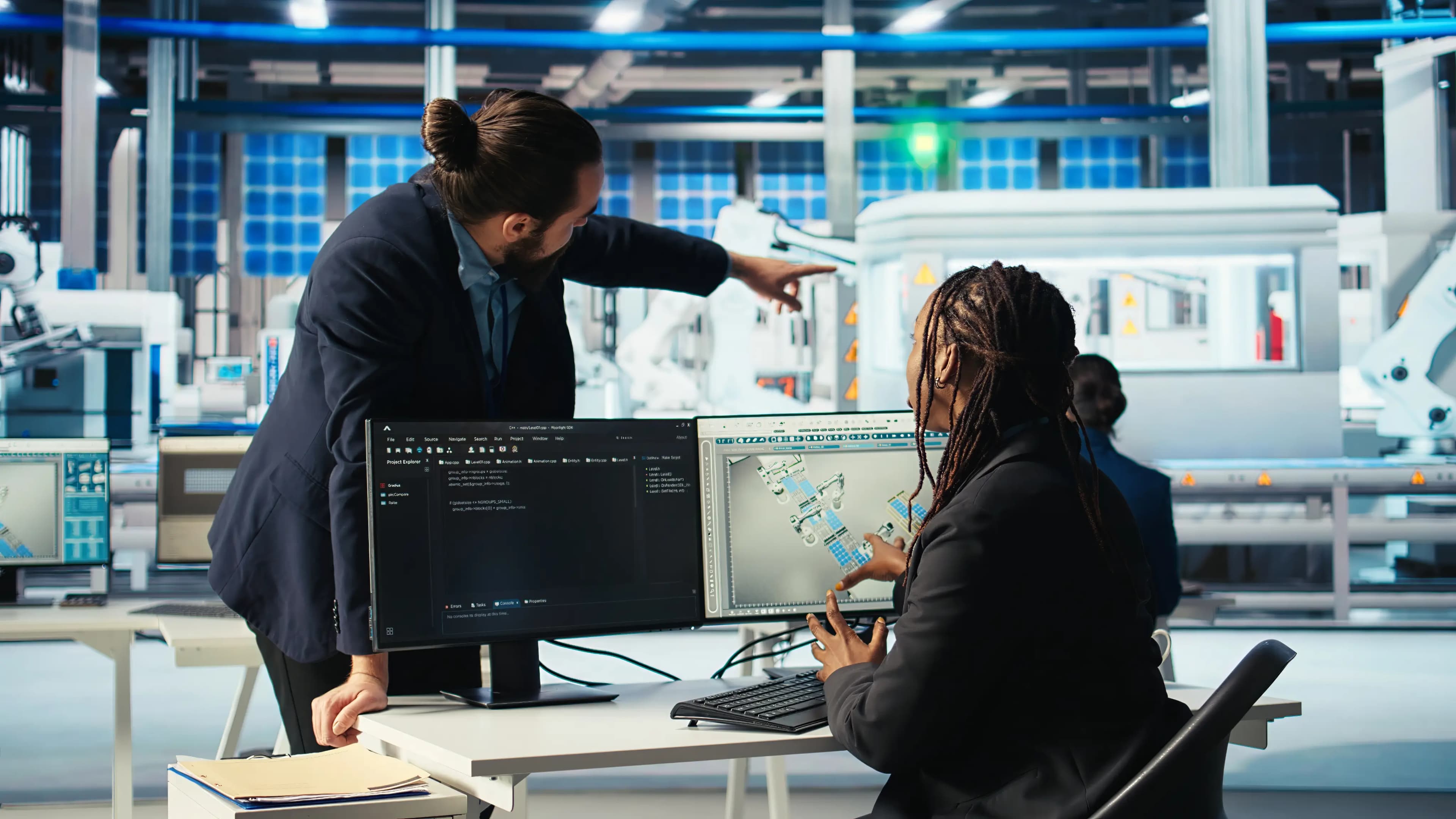

Manufacturing is no longer just about physical production; it's about data flow. As factories become increasingly interconnected through IoT and cloud integrated systems, the surface area for cyber threats has expanded exponentially. Security transformation is no longer an IT luxury; it is a business continuity requirement.
The Shift to Industry 4.0
Industry 4.0 has ushered in a new era of efficiency. However, the convergence of Operational Technology (OT) and Information Technology (IT) has created unique vulnerabilities. Legacy systems that were never intended to be connected to the internet are now part of a global digital network.
The Risk Landscape
Current data suggests that manufacturing is now the most targeted sector for ransomware globally, accounting for over 25% of incidents reported in the last fiscal year.
To navigate this transformation, organizations must move beyond perimeter defense. A "castle-and-moat" strategy is insufficient when the threat can originate from a compromised sensor or partner integration point.
“True security in manufacturing is found at the intersection of visibility and isolation. If you cannot see it, you cannot protect it. If you cannot isolate it, you cannot contain it.”
Implementation Framework
When approaching IT security transformation, we recommend a phased approach that prioritizes visibility and zero-trust principles.
- Asset Discovery: Identifying every connected device on the factory floor, including legacy PLCs.
- Network Micro-segmentation: Creating isolated zones to prevent lateral movement of threats.
- Continuous Monitoring: Implementing AI-driven anomaly detection to identify deviations in machine behavior.
- Unified Governance: Aligning IT and OT teams under a single security framework.
Managing the Supply Chain
The manufacturing ecosystem relies on a complex web of suppliers and service providers. Security transformation must extend outward. Integrating with Skysecure.ai allows for real-time risk assessment of third-party APIs and data exchanges, ensuring that your security posture is only as strong as your strongest link.
In conclusion, the journey toward a secure manufacturing environment is iterative. By focusing on data integrity and system resilience, manufacturers can embrace the benefits of digital transformation without sacrificing their operational stability.